The Lovebirds

The Lovebirds
Perfect Pairs

Wednesday, September 9, 2026

Lovebirds Info: A Simple Guide to Different Lovebird Species

 If you are looking for lovebirds info, understanding the different species is a good place to start. Lovebirds are small, colorful parrots that are popular among bird lovers because of their playful behavior, attractive appearance, and social nature. Although all lovebirds share many characteristics, each species has its own unique features and personality.

Peach-Faced Lovebird

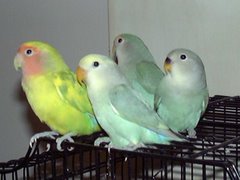
The Peach-Faced Lovebird is one of the most commonly kept lovebird species. It is easily identified by its peach-colored face and mostly green body. Today, many color varieties are also available.

These birds are active, curious, and playful. With regular handling and attention, they can become friendly companions. They enjoy toys, climbing, flying, and interacting with their owners. Their energetic nature means they need enough space and daily stimulation.

Fischer’s Lovebird

Fischer’s Lovebird is recognized by its green body and attractive combination of orange, yellow, and red colors around the head. It is a lively and social bird that enjoys exploring its surroundings.

Fischer’s Lovebirds are intelligent and playful. They benefit from toys and regular interaction. Like other lovebirds, they can form strong social bonds with their companions.

Masked Lovebird

The Masked Lovebird has a distinctive dark facial mask, which makes it easy to recognize. Its body is generally green, with colorful markings around the chest and head.

This species is active and enjoys climbing, playing, and exploring. Owners should provide plenty of mental stimulation and opportunities for exercise. Regular interaction can also help build trust between the bird and its owner.

Black-Cheeked Lovebird

The Black-Cheeked Lovebird is less commonly kept than some other species. It has green plumage and darker markings around its cheeks, giving it a distinctive appearance.

Because this species is less commonly encountered, it may be more suitable for bird keepers who already have experience caring for lovebirds.

Lovebirds Info: Which Species Should You Choose?

When comparing lovebird species, there is no single choice that is best for everyone. Peach-Faced Lovebirds may appeal to people who want an active and colorful companion. Fischer’s and Masked Lovebirds are attractive choices for those who appreciate distinctive patterns and lively personalities.

Regardless of species, good care is essential. Lovebirds need a balanced diet, fresh water, a clean and safe cage, suitable toys, exercise, and regular social interaction.

Learning basic lovebirds info before bringing one home can help new owners understand their needs and make a responsible choice. More importantly, remember that every bird has its own personality. Appearance can help you choose a species, but patience, proper care, and attention are what help create a strong bond with your feathered companion.

Wednesday, January 14, 2026

Abyssinian Lovebird: A Complete Guide for Bird Lovers

 The Abyssinian lovebird (Agapornis taranta), also known as the black-winged lovebird, is one of the most striking members of the lovebird family. If you're searching for Abyssinian lovebird info, you have landed in a right page. Thanks to Google!!! So let's dive right in and get to know this gorgeous bird a little better. Native to the highlands of Ethiopia and Eritrea, this species really stands out with its rich green plumage, contrasting black flight feathers, and a bright red patch on the forehead of the males. And unlike many other lovebird species commonly kept as pets, the Abyssinian lovebird is on the larger side too, typically measuring around 16 cm, making it one of the biggest birds in the Agapornis genus.


Appearance and Identification

Spotting a mature Abyssinian lovebird male is pretty easy once you know what to look for — that scarlet forehead band, dark eye ring, and coral-red beak set against deep green body feathers give it away instantly. Females, interestingly, don't have the red forehead marking, so telling males and females apart is much simpler here than with most lovebirds. Keep an eye out for a subtle black tint on the wings during flight too — that's exactly where the bird gets its alternate name from.

Habitat and Natural Behaviour

In the wild, you'll find the Abyssinian lovebird tucked away in highland forests and juniper woodlands, usually at elevations above 1,500 meters. They like to hang around in small flocks, feasting on wild figs, seeds, and berries. One thing bird keepers really appreciate about this species is its quieter, more reserved temperament compared to other lovebirds — perfect if you're after a calmer feathered companion.

Care Tips for Bird Keepers

Thinking of keeping one? Give your Abyssinian lovebird a spacious enclosure since it's a bigger bird, and don't skimp on the diet — fresh fruits, vegetables, and a good quality seed mix go a long way. They're not bred in captivity as often as peach-faced or masked lovebirds, so it's worth taking the time to find a healthy, well-adjusted bird from a reputable breeder. And don't forget the fun stuff — regular social interaction, toys, and foraging activities all help keep your bird happy and engaged.

Why Choose an Abyssinian Lovebird?

If you're after something a little different — a lovebird with striking looks, a gentle nature, and real rarity value — the Abyssinian lovebird ticks every box. Give it the care it deserves, and this beautiful bird will thrive, whether in an aviary or as a treasured companion at home.

Friday, December 5, 2025

Top ten monsoon management tips for pet birds

 Here are the Top 10 Monsoon Management Tips for Pet Birds, written in a clear, practical manner for everyday use:

1. Keep the Cage Warm & Dry

  • Monsoon weather is damp and chilly; birds can easily catch respiratory infections.

  • Place the cage in a warm, dry, draft-free location.

  • Avoid keeping birds near open windows during heavy rains.

2. Maintain Proper Cage Hygiene

  • High humidity increases fungal and bacterial growth.

  • Clean perches, trays, feeders and water bowls daily.

  • Disinfect the cage at least once a week.

3. Monitor for Respiratory Problems

  • Watch for signs like sneezing, nasal discharge, tail-bobbing, or wheezing.

  • Seek veterinary help immediately if symptoms appear.

4. Prevent Fungal Infections

  • Keep food storage areas dry; monsoon moisture can cause mold formation.

  • Offer only fresh seeds, pellets, fruits, and vegetables.

5. Ensure Adequate Sunlight Exposure

  • Natural sunlight is important for Vitamin D3.

  • When rains stop, allow 10–15 minutes of indirect sunlight (never harsh midday sun).

6. Control Mosquitoes & Pests

  • Mosquitoes thrive in monsoon and can transmit diseases.

  • Use mosquito nets around the cage; avoid strong chemical repellents or coils near birds.

7. Maintain Optimal Humidity Levels

  • Birds need moderate humidity, but excessive moisture is harmful.

  • Use a dehumidifier or good ventilation when humidity is too high indoors.

8. Provide Nutritious, Immune-Boosting Diet

  • Include leafy greens, sprouted grains, papaya, guava, and vitamin-rich foods.

  • Avoid cold or refrigerated foods during monsoon.

9. Keep the Cage Away from Damp Walls

  • Dampness promotes fungal spores and mite infestations.

  • Place the cage at least a few inches away from walls.

10. Ensure Safe Bathing Opportunities

  • Birds enjoy bathing, but avoid letting them get wet late in the evening.

  • Use lukewarm water; ensure they dry completely before cool temperatures set in.


Tuesday, November 25, 2025

Top ten winter management tips for pet birds


Here are ten essential winter management tips for keeping your pet birds healthy and comfortable during the colder months:

Temperature Control - Maintain a consistent room temperature between 65-75°F (18-24°C). Avoid placing cages near drafty windows, doors, or heating vents where temperature fluctuations can stress your bird.

Humidity Levels - Indoor heating dries the air significantly. Use a humidifier to keep humidity around 40-60%, which helps prevent respiratory issues and keeps feathers and skin healthy. You can also lightly mist your bird with lukewarm water a few times per week.

Lighting Schedule - Provide 10-12 hours of natural or full-spectrum light daily. Consider a timer for consistency, as shorter winter days can affect your bird's circadian rhythm and mood.

Nutrition Boost - Birds may need slightly more calories in winter if your home is cooler. Offer a balanced diet with fresh vegetables, quality pellets, and healthy seeds. Warm foods like cooked grains or vegetables can be comforting treats.

Bathing Opportunities - Continue offering baths but ensure the room is warm and draft-free. Some birds enjoy bathing in shallow warm water or being gently misted. Always allow them to dry completely in a warm area.

Monitor Behavior - Watch for signs of cold stress like fluffed feathers (when not sleeping), shivering, lethargy, or huddling. These indicate your bird needs a warmer environment.

Cover at Night - Use a breathable cage cover to retain warmth and create a cozy sleeping environment, but ensure adequate ventilation. Never use heavy blankets that restrict airflow.

Exercise and Enrichment - Birds may be less active in winter. Encourage movement with new toys, foraging activities, and supervised out-of-cage time to prevent boredom and maintain physical health.

Avoid Sudden Changes - Don't move birds between very warm and cold areas. If transporting your bird outside, use a carrier with insulated covers and warm it in your car beforehand.

Emergency Heating - Keep a heating pad (on low, wrapped in towels) or a safe bird-specific heating perch available for very cold nights or if your heating system fails. Always supervise heated accessories.

Your bird's specific needs may vary by species, so consult with an avian veterinarian if you have concerns about your particular bird's winter care.


Wednesday, March 29, 2023

Brooding in Lovebirds

 Brooding is a natural behavior exhibited by lovebirds, particularly the females, when they are preparing to lay eggs and incubate them. During this time, the female lovebird will spend long periods of time sitting on her eggs to keep them warm and ensure proper development. The male lovebird will often assist with the brooding process by bringing food to the female and taking turns sitting on the eggs.

Lovebirds typically lay between four to six eggs, which will hatch after approximately 23 days of incubation. During this time, the female will rarely leave the nest, and the male will continue to bring food and other materials to the nest to support the breeding pair.

It's important for lovebird owners to provide their pets with a suitable nesting box and a quiet, peaceful environment during the brooding period to ensure a successful hatching and healthy chicks.