Lovebirds Info: A Simple Guide to Different Lovebird Species
If you are looking for lovebirds info, understanding the different species is a good place to start. Lovebirds are small, colorful parrots that are popular among bird lovers because of their playful behavior, attractive appearance, and social nature. Although all lovebirds share many characteristics, each species has its own unique features and personality.
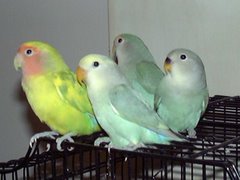
The Peach-Faced Lovebird is one of the most commonly kept lovebird species. It is easily identified by its peach-colored face and mostly green body. Today, many color varieties are also available.
These birds are active, curious, and playful. With regular handling and attention, they can become friendly companions. They enjoy toys, climbing, flying, and interacting with their owners. Their energetic nature means they need enough space and daily stimulation.
Fischer’s Lovebird is recognized by its green body and attractive combination of orange, yellow, and red colors around the head. It is a lively and social bird that enjoys exploring its surroundings.
Fischer’s Lovebirds are intelligent and playful. They benefit from toys and regular interaction. Like other lovebirds, they can form strong social bonds with their companions.
The Masked Lovebird has a distinctive dark facial mask, which makes it easy to recognize. Its body is generally green, with colorful markings around the chest and head.
This species is active and enjoys climbing, playing, and exploring. Owners should provide plenty of mental stimulation and opportunities for exercise. Regular interaction can also help build trust between the bird and its owner.
The Black-Cheeked Lovebird is less commonly kept than some other species. It has green plumage and darker markings around its cheeks, giving it a distinctive appearance.
Because this species is less commonly encountered, it may be more suitable for bird keepers who already have experience caring for lovebirds.
Lovebirds Info: Which Species Should You Choose?
When comparing lovebird species, there is no single choice that is best for everyone. Peach-Faced Lovebirds may appeal to people who want an active and colorful companion. Fischer’s and Masked Lovebirds are attractive choices for those who appreciate distinctive patterns and lively personalities.
Regardless of species, good care is essential. Lovebirds need a balanced diet, fresh water, a clean and safe cage, suitable toys, exercise, and regular social interaction.
Learning basic lovebirds info before bringing one home can help new owners understand their needs and make a responsible choice. More importantly, remember that every bird has its own personality. Appearance can help you choose a species, but patience, proper care, and attention are what help create a strong bond with your feathered companion.




 Free Ads For Bloggers

